Showkat Hussian
Tweet
Since a decade, Arif has been listening to a different music which not only gives peace to his ears but also provides him bread.
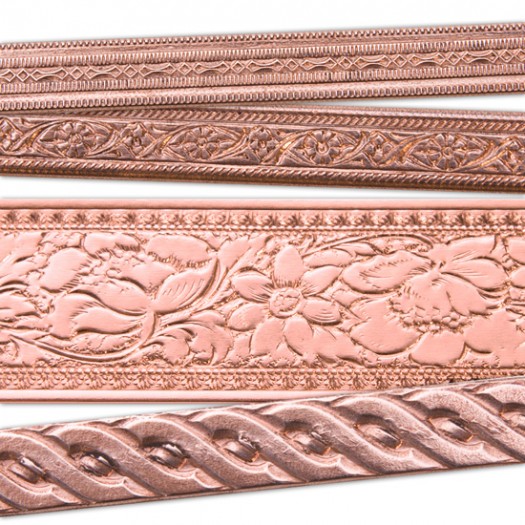
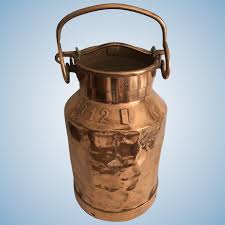
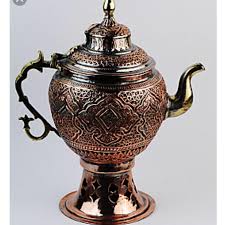
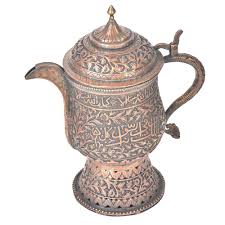
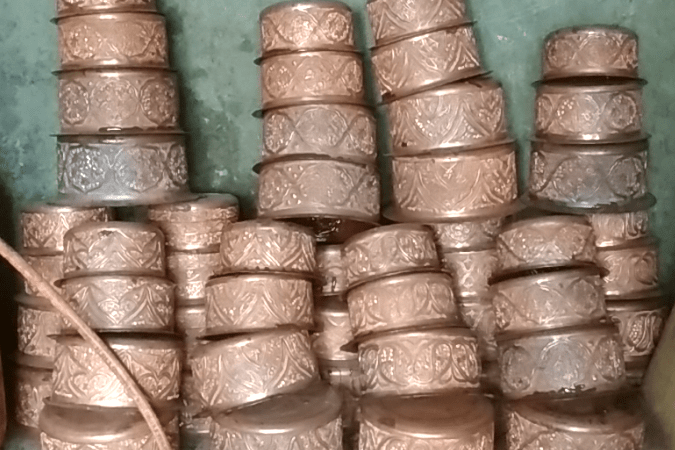
The sound of his hammer and chisel when struck against the copper utensils sets the aura for him. His fingers play magically with the hammer and chisel the way a guitarist hits the cords to produce the perfect music.
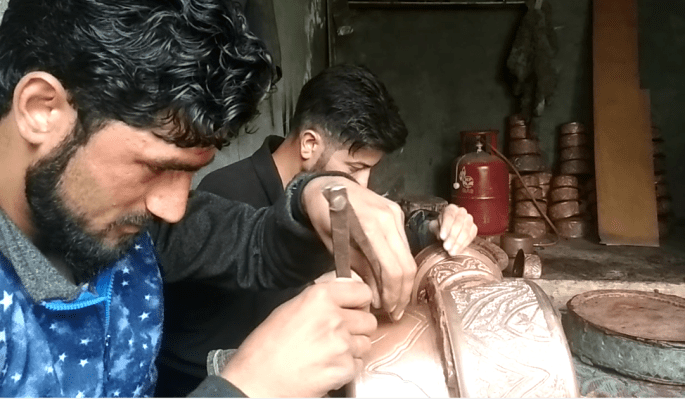
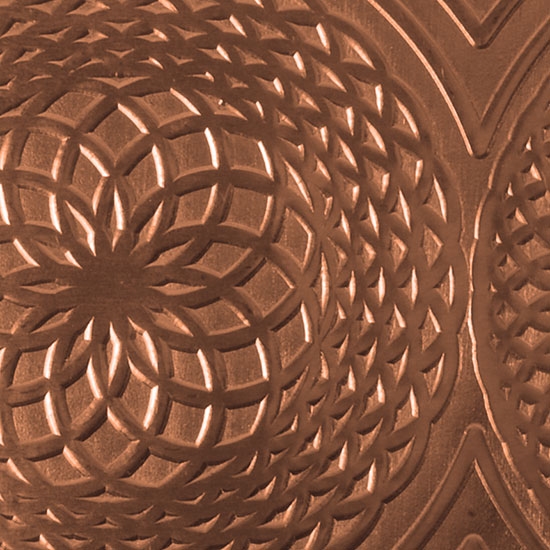
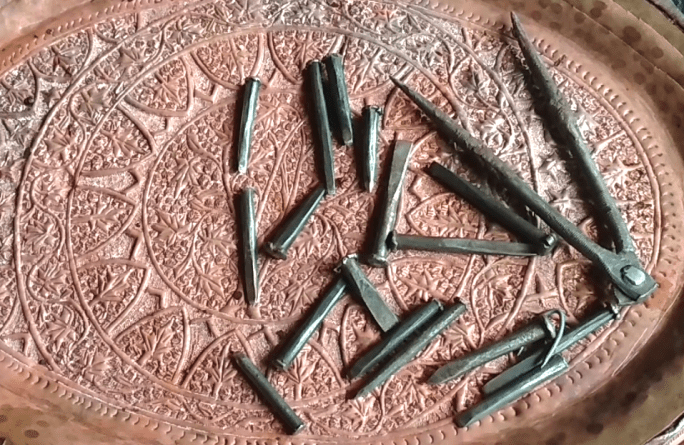
Copper smiths drawing a first sketch with a iron made compass before it is engraved with engraver for a final design.
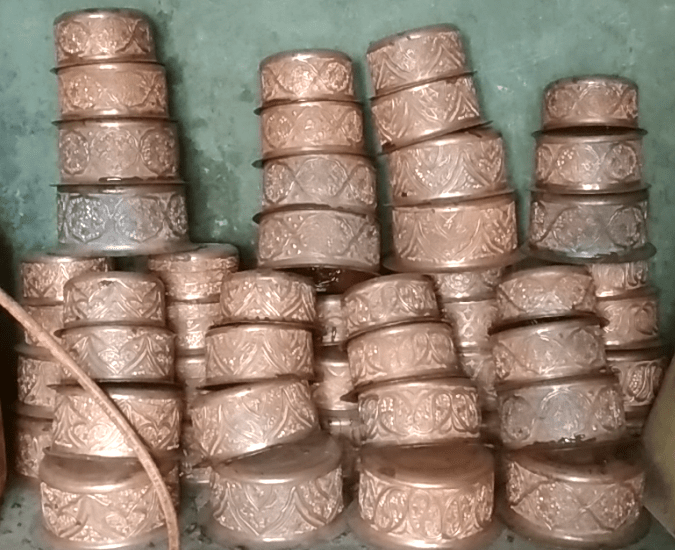
| Arif, in his late twenties, is best known for carving beautiful flowers on copper utensils like jugs, samovars, dining plates, glasses and what not. | |||
| According to him, copper carving needs ample energy and time as the process of making copperware or brassware involves many hands specialised in each segment of the process and involves basics of blacksmiths’ techniques like Naqash (engraver), Zardoz (gilder), polisher and cleaner. | |||
| The only way his copper carving talent fails him is its inability to provide some extra food and a good life. |
Despite all the odds, Arif is a dedicated craftsman and makes all the possible efforts to carve the best out of copper. Meanwhile, he attributes the pitiable condition of the craftsmen to the exploitation and middlemen.
“I have been into this for a decade now, yet we receive a pittance while the middlemen take lion’s share,”
Arif rues.
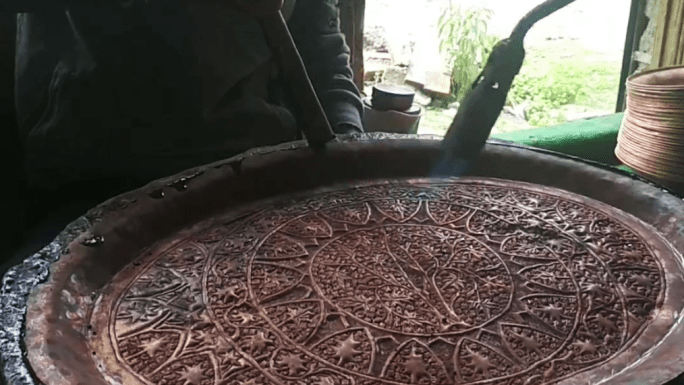
A copper-smith meticulously heats-up a typical Kashmiri plate for engraving different designs.
There are hundreds of others like Arif who share the same story of misery in the copper carving market of Kreeri, nearly 30 km from north Kashmir’s Baramulla district.
This area has a distinction of having some skilled artisans and half a dozen one-storey brick shops, half a kilometre from the main market, for producing the best clanking sound in the northern region of the state.
Kreeri has a distinction of having some skilled artisans
This area, with more than 1500 households, caters not only to the entire district of Baramulla, but also to some neighbouring districts, to get their utensils designed.
Tweet
Given the wide reach of the craft and the large market, the dreadful stories of the artisans become difficult to believe. Take the example of Mudasir who also works with Arif in a small shop. He says that despite working for more than nine hours a day, they only earn from hand to mouth.
“We are working eight to nine hours a day and are getting wages lesser than the workers who come to Kashmir from outside. Copper carving being a very hectic and time taking process, the wages that we get are not enough to meet our daily expenses”
Mudasir laments.
As footfall of customers has been receding for a few years now, the burgeoning demand of plastic items and ceramic utensils proved to be the last nail in the coffin of this profession.
Further, Gulzar Ahmad, another copper shop owner believes that there is an overall dip in demand of this art.
Few years back, we would earn enough to fill our bellies but now there is a decreasing footfall of customers which affects our income. Now, people think twice before picking up this art
says Ahmad
According to him, the decreased demand of the art is not only adding fuel to fire to worsen the dreadful condition of the artisans associated with copper carving but is also affecting this trade at large.
“I don’t find any future in it. It is better to shift to some other work to keep hearth running,”
Ahmad adds
 The Kashmir Blog